|
||
|
Mobile Office Hours – Times & Locations! Dear Friends, Yesterday, the Pennsylvania Senate and House of Representatives voted for a budget that respects taxpayers, expands educational opportunities, and protects our most vulnerable citizens. Over the past several months, we have worked extremely hard to create a responsible spending plan that protects taxpayers, prevents new tax hikes, safeguards our financial future, and breaks down barriers to economic growth. While much work remains to be done to bring Pennsylvania’s long-term budget into structural balance, the Senate’s efforts have reduced that deficit by $1.2 billion while providing much needed resources to our schools, seniors, emergency responders, and families. Sincerely,
In this Update:
Pennsylvania General Assembly Passes Budget with No New Taxes
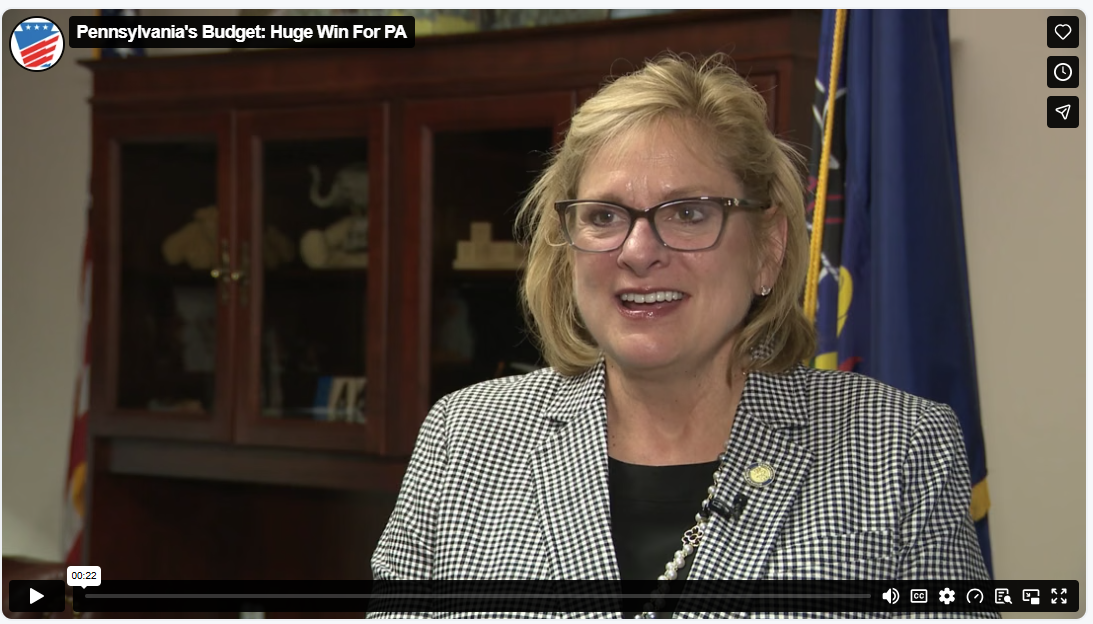
I’m pleased to report that after many months of meetings; we were able to negotiate a more reasonable spending plan with no tax increases on Pennsylvania families or businesses. Spending in the budget is $1.1 billion below the level Governor Shapiro proposed in his February budget, while also restoring more than $450 million of funding for programs that are important to the General Assembly. This $50.8 billion FY 2025-2026 state budget positions the Commonwealth for growth and success. The budget protects the state’s Rainy-Day Fund to hedge against any economic downturn in the future, helping stabilize the Commonwealth’s fiscal foundation with an estimated ending balance approaching $8 billion. I am proud to report that my legislation to provide a much-deserved COLA for our police and firefighters is included in the budget. The last time they received a COLA was more than two decades ago and every year since, inflation and rising costs have diminished the benefits they earned. These brave men and women have spent their careers putting their lives on the line to keep our communities and neighborhoods safe. It’s time we acknowledge their contribution to our society. The budget also provides a COLA for PA State Employees Retirement System (SERS) and Public School Employees’ Retirement System (PSERS) for pre-Act 9 retirees. Significant new funding is devoted to basic education, with substantial resources dedicated to the Ready to Learn Block Grant program, school facility improvements, and Pre-K Counts. Programs I have strongly supported. Importantly, the budget also maintains funding to empower parents and families to ensure students can learn in the environment that best meets their individualized educational needs providing available tax credits at $680 million for the highly successful Educational Improvement Tax Credit program. I’m also pleased to report that the budget increases funding for Special Education Funding, Early Intervention Services, and Career and Technical Education by almost 7%. I voted for increases in mental health services and significant increases in nursing home and long-term care managed care funding. In addition, the budget provides a $12 million increase for rape crisis services, nearly double last year’s amount. I believe this budget reflects the value of working together in a divided government. It delivers meaningful victories for Pennsylvania families while maintaining a responsible approach to our state’s finances. Meetings with Local Emergency Responders and Victims Services to Discuss Grants for Communities
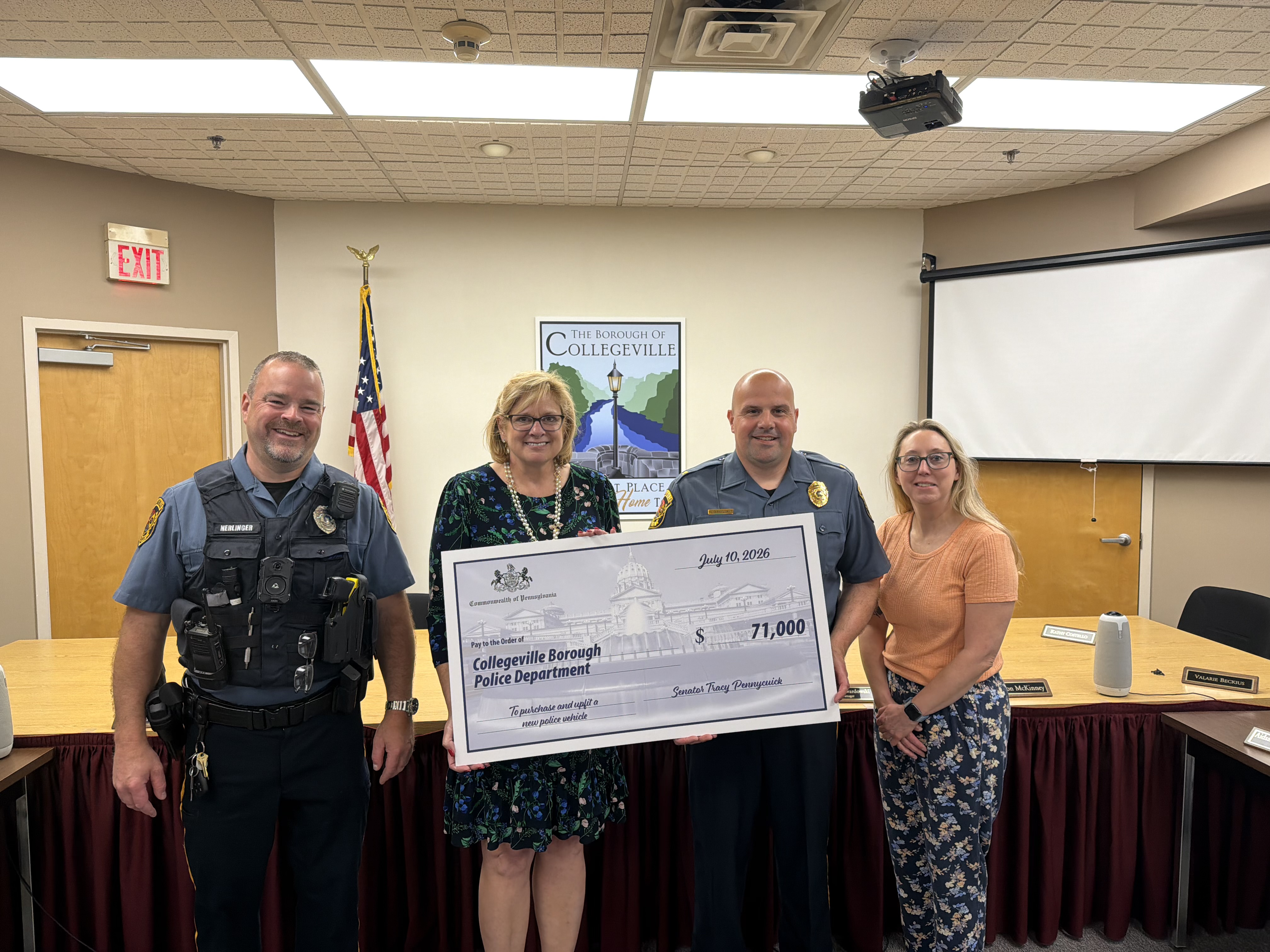
This week, I met with local emergency responders and county services to discuss grant initiatives I helped secure in their communities. I’m proud to help provide state funding that supports the essential work our local emergency responders do every day. These investments strengthen public safety, community services, and enhance the quality of life for residents throughout the region. I’m grateful to partner with our local organizations and municipalities to deliver resources that make a meaningful difference. We met with the following organizations: Collegeville Borough Police Department – $71,000 to purchase a new detective vehicle to assist with on-scene investigations, surveillance operations, evidence collection, and community safety initiatives. Lower Salford Police Department – $44,000 to purchase new cameras. Lower Pottsgrove Township Police Department – $30,000 to purchase new vehicle laptops. North Penn Volunteer Fire Company – $125,000 for station renovations and HVAC upgrades. North Wales Police Department for $100,000 to purchase and outfit a new police vehicle. Lower Salford Police Department for $44,000 to purchase new cameras. Upper Salford Township – $141,760 to purchase a new backhoe. Victim Services Center of Montgomery County Inc – $100,000 for 24-7 Crisis Hotline. The grants are provided through the PA Department of Community and Economic Development. Senate Passes Bill to Bring Life-saving Treatments to Market More Quickly
The Senate approved legislation to help get new life-saving treatments and devices to market more quickly while preserving safety standards. The bill was sent to the House of Representatives for consideration. Under current law, a pharmaceutical or medical device manufacturer must first complete a lengthy federal process before it can even begin the state licensure process in Pennsylvania. Senate Bill 1206 allows companies to gain temporary approval under Pennsylvania’s virtual manufacturers’ law, so that once federal approval is granted, these companies can quickly move forward without having to clear additional administrative roadblocks. Read more about Senate Bill 1206 here. Strengthening Medical Imaging Standards
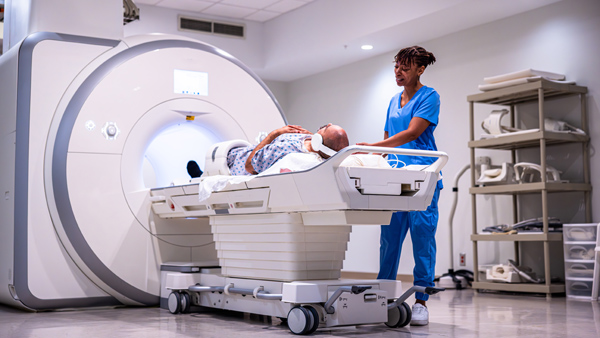
Medical imaging – such as MRIs or x-rays – are essential to diagnosing and treating a wide range of medical conditions and rely on radiation to do so. Performed incorrectly, these tests can cause serious harm to patients. Yet, Pennsylvania is one of only four states that do not have a licensure or certification framework for these professionals. The Senate approved Senate Bill 1334 to create a statewide licensing structure for professionals who perform medical imaging and radiation therapy procedures. The bill doesn’t require additional schooling or place unnecessary burdens on qualified professionals. It was sent to the House of Representatives for consideration. Read more about Senate Bill 1334 here. Empowering Patients to Make Care Decisions
Pennsylvania Orders for Life-Sustaining Treatment (POLST) spell out treatments a seriously ill patient does and does not want in an emergency or at the end of life. To empower patients, the Senate passed legislation creating the legal framework for their use across all healthcare settings. These differ from an advance directive, which generally identifies a surrogate decision-maker or provide broad guidance about future care preferences. POLST is a medical order that must be followed immediately, ensuring care aligns with the patient’s wishes in real time. POLST forms are not consistently recognized or applied across all care settings in Pennsylvania. Senate Bill 730 provides statutory authority so that these forms are honored statewide by healthcare providers and emergency medical services. The bill was sent to the House of Representatives. Read more about Senate Bill 730 here. PA Trooper’s Death Highlights Urgent Need to Improve CDL Oversight
Pennsylvania State Trooper Michael E. Pahira Jr. was recently killed in the line of duty during a Schuylkill County traffic stop when he was struck by a tractor trailer driven by a person who was in the country illegally. I mourn this heartbreaking tragedy and join the Pennsylvania State Troopers Association in asking why this person had been granted a commercial driver’s license (CDL) in Massachusetts. I also urge the Pennsylvania House of Representatives to pass two bills approved by the Senate to help prevent similar tragedies in the future: Senate Bill 1294, which improves the training curriculum and strengthens penalties to shutdown unqualified “CDL Mills,” and Senate Bill 1295, which requires English proficiency in all testing applications to operate an 80,000-pound commercial vehicle on public highways. We must strengthen our laws and oversight governing non-domiciled CDLs to improve commercial vehicle safety and help protect lives across our commonwealth. Property Tax/Rent Rebate Deadline Extended to Dec. 31
The Property Tax/Rent Rebate Program provides rebates on property taxes or rent paid for the previous year by income-eligible seniors and people with disabilities. The deadline to apply has been extended to Dec. 31, 2026. Funded by the Pennsylvania Lottery, it benefits eligible Pennsylvanians age 65 and older; widows and widowers age 50 and older; and people with disabilities age 18 and older. Rebates range from $380 to $1,000. The income limit is currently $48,110 a year for homeowners and renters, however, half of Social Security income is excluded. Treasurer Stacy Garrity recently announced that $224.4 million in rebates have already been sent to 372,291 Pennsylvanians. You can find more information and apply here. Contact my office for assistance in applying. State Police Cadet Selection Open Through July 31
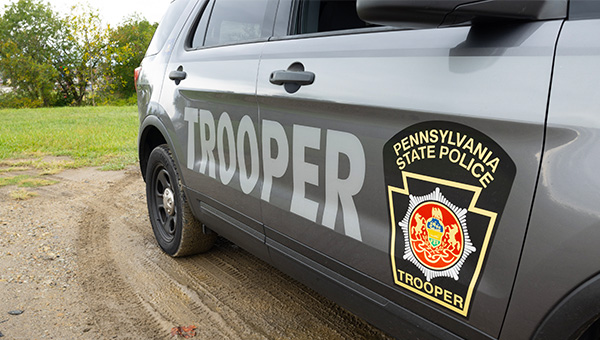
Do you know someone who is considering a law enforcement career? The Pennsylvania State Police Cadet selection cycle is open through July 31. In addition to patrol services and policing residential areas, state troopers provide a variety of support services through specialized positions. The selection process consists of a written exam, background check and polygraph exam, physical readiness test, medical checkup and psychological evaluation. College internships are also available at participating schools. Learn more about the cadet selection process here. |
||
|
||


Want to change how you receive these emails? 2026 © Senate of Pennsylvania | https://senatorpennycuick.com | Privacy Policy |