



By Tracy Pennycuick
For many years, communities across Pennsylvania faced a difficult challenge when it came to redeveloping former industrial properties. These sites often had excellent locations, existing infrastructure and significant economic potential, but that potential was overshadowed by uncertainty over environmental cleanup costs and concerns about long-term liability.
Companies were hesitant to invest, and developers often looked elsewhere, particularly when the parties responsible for contamination could not be identified or no longer had the financial resources to address it.
That meant Pennsylvania communities could be left with vacant and contaminated properties while new development moved onto previously undeveloped land.
Act 2 helped change that equation.
Pennsylvania’s Land Recycling Program was established in 1995 to encourage the voluntary cleanup and reuse of contaminated commercial and industrial properties. The program provides clear cleanup standards, liability protections, and access to financial assistance.
The goal is straightforward: clean up contaminated properties, protect public health and the environment, and return land to productive use.
Redeveloping brownfield properties can stimulate economic growth while making better use of existing infrastructure and reducing pressure to develop prime farmland, open space and natural areas.
By establishing clear, risk-based cleanup standards tied to a property’s current and future use, along with liability protections and predictable review procedures, the Land Recycling Program gives property owners, developers and lenders greater certainty about the cleanup and redevelopment process.
One important tool of this program is the Hazardous Sites Cleanup Fund (HSCF). The fund provides DEP with resources to investigate, clean up and monitor contaminated sites, participate in federal Superfund activities, and support Pennsylvania’s Land Recycling Program.
In Berks and Montgomery counties, which I represent in the 24th Senatorial District, HSCF supported projects are addressing contamination in groundwater and surface water, including contaminants such as volatile organic compounds and PFAS. These efforts can make a tangible difference in people’s daily lives, from providing safe drinking water and
installing groundwater treatment systems to addressing contaminated water and remediating polluted properties.
This summer, I was pleased to join the Pennsylvania Department of Environmental Protection (DEP), community leaders Green Lane Borough Mayor Rick Stamper and Council President Brian Carpenter, Billy Hurst, chair of the Marlborough Township Board of Supervisors, Jonathan Goldstein, and Pennsylvania Rep. Milou Mackenzie to highlight the successful cleanup and redevelopment of the former Cook Technologies site in Green Lane.
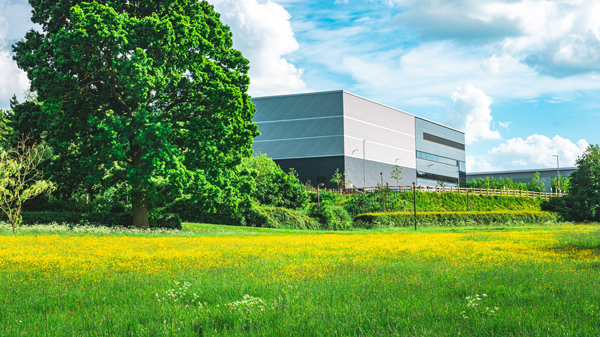
What was once an abandoned and environmentally hazardous industrial property is now a thriving business campus employing people from throughout the surrounding community.
This transformation is exactly what Pennsylvania’s environmental cleanup and brownfield redevelopment programs are designed to achieve.
The Green Lane site is a powerful example of what is possible when environmental protection and economic development work together. A property that once posed environmental challenges is now contributing to the local economy and providing new opportunities for the community. It supports businesses, creates jobs, generates tax revenue and strengthens the communities around them. The result is a more practical path from contamination to revitalization.
As your state senator, I believe it is important to support the Hazardous Sites Cleanup Fund and ensure that Pennsylvania has the resources necessary to address contaminated sites for years to come. The Commonwealth’s recent 2026-27 budget included a $20 million one-time transfer to support the program while a permanent funding source is considered.
Few responsibilities are more important than protecting our residents’ health, ensuring access to safe drinking water, and making sure contaminated properties do not remain barriers to community investment.
Pennsylvania should continue building on the success of programs that allow us to clean up our past while creating opportunities for our future.
Tracy Pennycuick represents the 24th Senatorial District in Pennsylvania which includes parts of Berks and Montgomery counties.
CONTACT: Liz Ferry (215) 541-2388